

Our Region

Allegheny County
Allegheny County is Pennsylvania’s second most populous county, with 1.232 million people. The county is governed by a home rule charter with the county executive, a county council with 15 members, and an appointed county manager. The county contains 130 self-governing municipalities, the most in the state, most being boroughs and townships, and Pittsburgh as its sole 2nd class city. Major sectors and industries of its economy include the medical sector, higher education, restaurants, and other service sector jobs.

Armstrong County
Armstrong County has a population of 65,558 people. The county's government is structured around a three-member Board of Commissioners, which serves as the chief governing body. It contains 45 self-governing municipalities, comprised primarily of boroughs and townships, with Kittanning serving as the county seat. Key sectors of its economy include education, healthcare and social assistance, manufacturing, and retail.
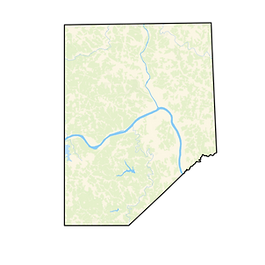
Beaver County
Beaver County has a population of 168,215. The county is governed by a three-member Board of Commissioners. The county contains 54 self-governing municipalities, consisting of numerous boroughs and townships, as well as the two 3rd class cities of Aliquippa and Beaver Falls. Historically a center for the steel industry, its modern economy includes major sectors such as energy production, advanced manufacturing, healthcare, and retail.

Butler County
Butler County has a population of 198,000 people. The county is governed by a three-member Board of Commissioners who manage its administrative and fiscal affairs. It is comprised of 57 self-governing municipalities, which include numerous boroughs and townships, as well as the City of Butler, its county seat. Major sectors of its growing economy include manufacturing, healthcare, retail, and professional services. Home to Cranberry Township, one of the fastest-growing communities in the Pittsburgh metropolitan area. The county also serves as a significant residential community for the greater Pittsburgh region.

Cambria County
Cambria County has a population of approximately 130,000 people. The county's government is structured around a three-member Board of Commissioners, which serves as the chief governing body. It contains 63 self-governing municipalities, including numerous boroughs and townships, with the borough of Ebensburg serving as the county seat and the city of Johnstown as its most populous urban center. The economy is driven by healthcare, government services, retail, and a growing defense technology sector.

Fayette County
Fayette County has a population of 125,000. The county is governed by a three-member Board of Commissioners. It contains 42 self-governing municipalities, which include two 3rd class cities, Connellsville and Uniontown, with Uniontown serving as the county seat. It’s economy is driven by healthcare, retail, tourism centered on its natural scenery and historical sites, and light manufacturing.
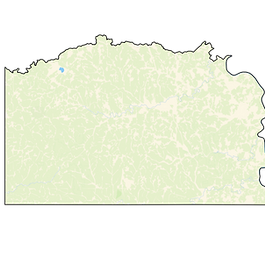
Greene County
Greene County has a population of 34,000 people. The county is governed by a three-member Board of Commissioners, who oversee its administration and fiscal operations. It contains 26 self-governing municipalities, which consist of boroughs and townships, with Waynesburg serving as the county seat. The county’s economy mining, and energy, particularly natural gas extraction from the Marcellus Shale, along with agriculture and correctional facilities.


Lawerence County
Lawrence County has a population of 85,000 people. The county is governed by a three-member Board of Commissioners as established by the state's County Code. It is comprised of 27 self-governing municipalities, including numerous boroughs and townships, as well as the 3rd class city of New Castle, which serves as the county seat. It’s modern economy includes key sectors such as healthcare, retail, agriculture, and light manufacturing.


Washington County
Washington County has a population of 210,000 people. The county is governed under a home rule charter by a three-member Board of Commissioners, who act as the chief governing body. It contains 67 self-governing municipalities, which include the two 3rd class cities of Monongahela and Washington, with the latter serving as the county seat. Major sectors of it’s economy include industries like healthcare, entertainment and gaming, retail, and advanced manufacturing.

Westmoreland County
Westmoreland County has a population of approximately 350,000 people. The county is governed by a three-member Board of Commissioners as established under the Pennsylvania County Code. It contains 65 self-governing municipalities, which include the 3rd class cities of Greensburg (the county seat), Arnold, Jeannette, Latrobe, Lower Burrell, Monessen, and New Kensington . It’s economy is driven by sectors such as service sector, advanced manufacturing, healthcare, retail, and professional services.