Pennsylvania finally has a budget. What does it mean for SWPA municipalities?
- eric3435
- Jan 13
- 5 min read

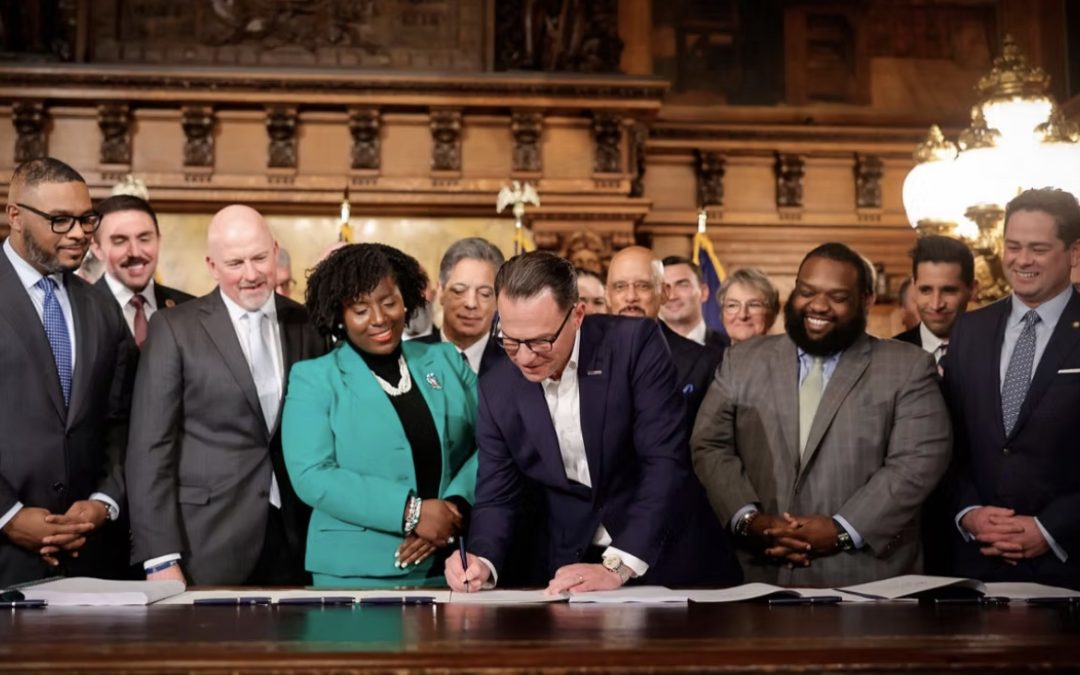
At the beginning of November, Pennsylvania finally adopted its 2025-26 state budget. The 135-day stalemate left many feeling uncertain about future funding and other important state programs that support municipal needs. State programs are critically important sources of revenue and support for cities, townships, and boroughs. So what is (and is not) in the budget? What should municipalities consider with these changes? Read on:
The Same
Stable Ground on Core Services
The budget formally maintains the rule that property used for municipally furnished utility services (electric, water, gas, telephone) is exempt from real-estate taxation because it’s considered public property. This tax-exemption affects municipal authorities and public utilities — many small towns and municipalities rely on these exemptions for local utilities operations. The continuation of this tax-exempt status ensures that essential public utilities, which often operate on thin margins, maintain their financial viability and can continue to provide reliable, affordable services without placing new tax burdens on local residents or requiring a difficult revenue shift for the municipality.
The Good
Investment in Economic Development and Public Safety
In regards to economic development, the Commonwealth is investing in downtowns while also seeking to enhance the business climate to drive more investment from the private sector. Funding remains constant for the Main Street Matters grant program at $20 million. An additional $26.5 million has been allocated to “Community and Economic Assistance,” under the Department of Community and Economic Development, which facilitates state assistance for projects in the public interest.
The emerging trend toward facilitating an improved business environment can be seen with the lowering of the Corporate Net Income Tax (CNIT) rate, and increasing net operating loss deductions for small businesses. Additionally, the budget includes a $15.8 million increase to hire staff to support DEP’s Streamlining Permits for Economic Expansion and Development (SPEED) program – which was created in last year’s budget. The Shapiro Administration will also continue to push out $500 million in site development funding secured in the 2024-25 budget to attract major companies, create jobs, and grow the economy. The budget invests in workforce development broadly, including increased funding for career and technical education, apprenticeships, and vocational training. The combination of sustained grants for downtown revitalization and aggressive site development funding gives municipalities concrete tools to attract private investment and expand their local tax base. Furthermore, the targeted funding for the DEP’s SPEED program and workforce development addresses two persistent pain points: slow permitting that stalls projects, and the critical need for a skilled local workforce to fill new jobs.
Social Safety Net and Community Supports
The budget expands support for older adults and vulnerable populations — including boosting services for seniors via Area Agencies on Aging, and increased support for food assistance programs. For many lower- and middle-income households in the region, this may mean better access to essential services, support for disabilities or aging, and some ease on household budgets, especially as federal programs shift. To further support lower- and middle-income households, the budget establishes the Working Pennsylvanians Tax Credit (WPTC). This new state-level credit, modeled after the federal Earned Income Tax Credit (EITC), will provide tax relief starting with the 2026 tax filing season (for the 2025 tax year). The credit is equal to 10% of the federal EITC amount, with a maximum state credit of $805. Increased state funding for senior services and food assistance helps alleviate the burden on municipal and nonprofit social support systems. The WPTC is a welcome measure to improve the financial stability of local residents, which ultimately contributes to a stronger, more resilient community.
Support for Public Safety
Budget allocation doubled for disaster-response funding from $20 million to $40 million, in response to changes at the federal level. Another $5 million bump to the Commonwealth Disaster Recovery Assistance Program will increase direct support to impacted Pennsylvanians. State police will get an additional $69.3 million for operations, enough to fund four new cadet classes to increase its ranks. This staffing is critical for the 1,279 municipalities that don’t have police departments and rely solely on troopers for their law enforcement needs. The budget also renews funding for 911-service support (via phone surcharge) to help counties / municipalities cover 911 system costs.
The Bad
The Looming Fiscal Cliff
An early draft of the governor’s budget proposal included a $10,000,000 fund for governments facing severe economic hardship in regards to the 2026 deadline for using federal COVID relief funds. Many municipalities relied on these funds to plug budget gaps, maintain services, or cover lost revenue. With disbursement due by the end of the year, local governments may struggle again — increasing dependence on state aid or shifting costs back to local taxpayers.
For municipal leaders, the end of federal American Rescue Plan Act (ARPA) funds represents a severe and immediate budget challenge. Many communities used this non-recurring funding for essential capital projects or to keep core services running. The expiration of ARPA money is creating large structural deficits, and without substantial state support, local governments face the painful choice of either drastically cutting services or imposing large local tax increases. Stakeholders are concerned that the modest Act 47 increase in the state budget is simply not enough to fill this massive funding hole.
The Uncertain
A New Chapter for Climate Policy
One of the most notable aspects of the passed budget is the formal end of Pennsylvania’s participation in the Regional Greenhouse Gas Initiative (RGGI), a multistate program aimed at capping carbon emissions from power plants. While RGGI had the potential to reduce pollution and support clean energy projects (with an estimated $1 billion annually in revenue), Republicans in the legislature argued that it stymied development and unjustly burdened the energy sector. Going forward, Governor Shapiro is seeking to address concerns about both energy cost and fossil fuel generated pollution with his yet-to-be-adopted “Lightning Plan.” For municipal leaders, the RGGI withdrawal adds another layer of uncertainty on two major fronts: local energy costs and environmental health - in addition to increased data center demand for energy.
We are here for you!
No matter the discussions and debates in Harrisburg, effective local government and project development activities remain critical in Southwestern Pennsylvania. That is why the Hub remains a resource to municipalities and development-focused nonprofits who may need to navigate state and federal government priorities to accomplish local wins for their communities. At a time of continued uncertainty, the Hub is here to walk alongside you and bolster local coordination. Please consider completing our intake form for a formal review of your project needs with the Hub, or please reach out to Eric Macadangdang (eric@swpahub.org) to start a conversation.


